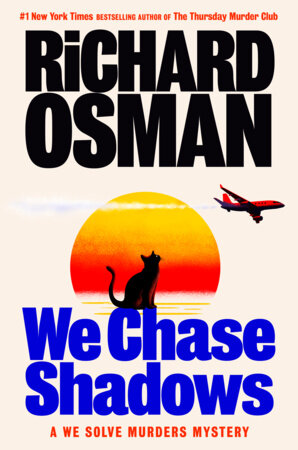
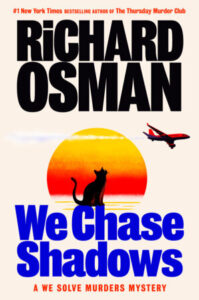
We Chase Shadows: A We Solve Murders Mystery

We Chase Shadows:
A We Solve Murders Mystery

By Richard Osman

  • Publisher: Pamela Dorman Books
  • Publication Date: September 15, 2026
  • Length: 345 pages
  • ISBN-13: 979-8217060405

From the Publisher: 

#1 New York Times bestselling author Richard Osman’s globe-trotting series “We Solve Murders” returns with the thrilling new mystery, We Chase Shadows.

Back together.

Back on the case.

And back to solving murders . . .

At sunrise, high in the Italian hills, a body is found on the steps of a beautiful private villa. On the body is a threatening note, signed by a mystery man.

Back at We Solve Murders HQ, Amy, Rosie, and Steve leap at the chance to take on their first proper case. So what if their new client seems to have his own reasons for avoiding the police? All they need to do is uncover who left the note, and then find them. Simple.

But once they start digging, the suspects keep piling up: there’s Sweden’s most-wanted criminal, a canny ex-wife and a fierce business rival – yet the murderer keeps evading them. And as the trio chase a villain through the shadows, danger travels closer to home . . .

Between Italy and Palm Springs, via Barcelona and Steve’s village pub, can the team catch an elusive killer who knows EXACTLY where to hide?

Review: 

We Chase Shadows, picking up a few months after Richard Osman’s series opener We Solve Murders, finds the newly minted detective agency twiddling its thumbs and hoping someone gets killed under suspicious circumstances. Fortunately, they won’t have long to wait.

Rosie—the world’s bestselling mystery author (or second bestselling, unless you ask her)—had so much fun chasing a killer around the globe with her bodyguard Amy and Amy’s father-in-law, Steve, that she talked Steve into trading his quiet retirement and small-town agency, Steve Investigates, for the far more glamorous We Solve Murders. Much to Steve’s relief, Amy’s boredom, and Rosie’s dismay, no one seems to have any murders that need solving—or at least none they aren’t content to leave to the taxpayer-funded professionals.

That dry spell ends when Vern Blackwood, a semi-reformed criminal peddling dodgy vitamins and supplements, calls from his villa in Tuscany. One of his bodyguards has been shot dead on the front steps with a threatening note left behind, and Vern wants the trio to fly out and investigate—without involving the police. He’s convinced the killer isn’t his notorious rival, the sinister Jakob Eriksson, though he’s keeping his reasons close to the chest.

What follows is another brisk round of Steve fretting over missed pub quiz nights at the Brass Monkey while flying around on Rosie’s private jet, Amy happily digging into leads and pressing suspects, and Rosie treating mortal danger like an excuse to flirt with attractive men. It’s every bit as entertaining as We Solve Murders, with a welcome push deeper into the trio’s private lives that raises stakes every bit as high as the ones they face on the job.

Well worth the ride. Go chase up a copy.

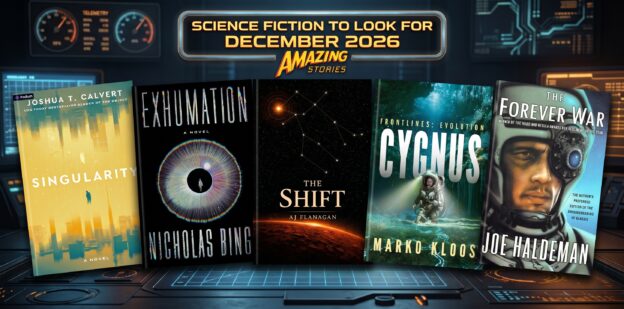
 Science Fiction to Look For – December 2026

Somehow, themes seem to emerge among the month’s selections, and this month it’s a mix of going underground, missing people, and planes of existence. In Joshua T. Calvert’s Singularity, VR has come very much of age in the not-so-distant future, challenging the reality we think we’re in. In Exhumation by Nicholas Binge, we get a Stross-like intrusion of the underworld into our reality, and both stories share gnarly perspective twists in the process. Marko Kloos’s Cygnus wraps up one of his Frontlines series with more underground action… tunnel crawling to kill massive aliens, and A.J. Flanagan’s brilliant debut novel, The Shift, digs into the red sands of Mars when an alien probe lets Earth know that it’s been measured and found wanting. On top of that, we look back to an award-winning December book from 1974, Joe Haldeman’s The Forever War, and find it holds up well against both current fiction and the classic work it serves as a counterpoint to. Dig in!
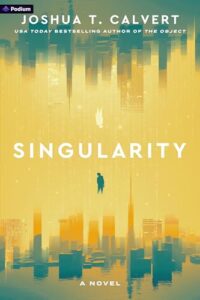
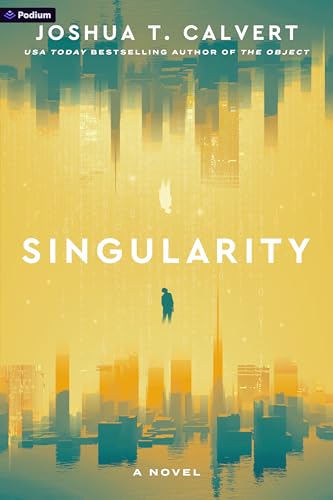
Singularity: A Novel by Joshua T. Calvert

In his 52nd book, USA Today bestselling author Joshua T. Calvert takes an unflinching look at life, the AIverse, and everything from the economic and ecological collapse of pretty much everything to the mixed dangers of AI and human hubris. Singularity is set toward the end of the century, but it feels much closer in this dark tale of the day after tomorrow.

In what used to be America, humans are either neuro-enhanced narcissists or zeros of no economic value, stuffed onto trains that roam the blighted landscape doing pointless public works projects, chiefly dismantling the ruins of the old world. Meanwhile, an Elon Musk-esque trillionaire mines asteroids and plans a colony on Proxima Centauri, peopled by clones grown there by a probe and educated via a “quantum link” to his hand-selected pioneers back on Earth. As you’ll see in Exhumation, a missing girl sits at the heart of the story: Stewart’s daughter, the architect of the current virtuality, indistinguishable from reality and built on her personality core. In the prologue, she goes missing on a diving trip to a sunken city (thanks, climate change), and Stewart recruits James, one of the non-enhanced humans (and Stewart’s disposable domestic servant), to dive into the VR built from the reality she disappeared in to find her, or at least what happened to her.

The author tackles many real issues, from the economic consequences of AI to fundamental questions about the nature of reality and simulated spaces. Of course, science fiction has been wrestling with these issues since its beginning. Even The Matrix owes a debt to the many stories about simulated reality before it, but Calvert’s take is fresh and unblinking, and his science is excellent throughout. I can’t help but throw in a couple of historical references, though. Calvert’s quantum-linked clones being prepared for their colonization mission light-years from Earth were brilliantly foreseen by Poul Anderson’s “Call Me Joe” (1957)—published in Astounding Science Fiction (which became Analog)—in which a scientist orbiting Jupiter projects his consciousness into an engineered being on the planet’s surface. And when it comes to the dangers of an AIverse, we owe a nod to Murray Leinster’s “A Logic Named Joe” (1946), a wildly prescient story about the perils of massively networked computers. To Anderson and Leinster, the future was a distant place to dream about, but Calvert shows us it’s merely the next stop on the bus… and it’s not an especially good neighborhood.

Singularity is a conceptual tour de force, filled with twists that force you to look around and question the world you’re living in.
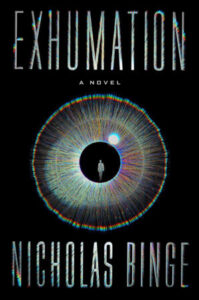
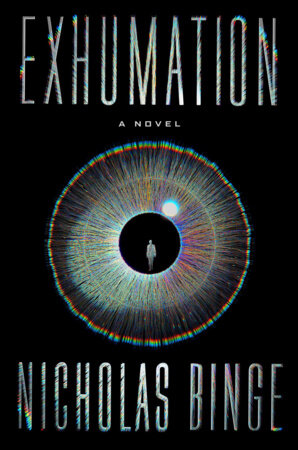
Exhumation

By Nicholas Binge

  • Publisher: Riverhead Books
  • Release Date: December 1, 2026
  • Format: Hardcover / eBook / Audiobook
  • ISBN: 979-8217179183
  • Goodreads: Exhumation By Nicholas Binge

Arlo Abbas is a Noir PI archetype. A burned ex-cop with an ex-girlfriend who hates his guts, people on the force at Scotland Yard who owe him a shrinking number of favors, a lot of self-loathing, and a bank account that’s been gasping for months… until suddenly it’s got a hefty balance and Arlo finds a note in his mail telling him to find a girl. A girl the police say was murdered months ago.

Unraveling Arlo’s descent is as much the story as finding out whatever happened to Sophie Banik, and weirdness surrounds both of them like a London fog.

Exhumation gives us a collision between science and supernatural horror. As Arlo digs into the case, he finds the notes from a researcher working on a sleep deprivation disorder where the dreamless are seeing the same visions in trances that pull them in. Though darker than either, there’s a bit of a Charles Stross Laundry Files vibe, where mathematics opens a gate to Cthulhian horrors, or Stranger Things portals to the Upside Down, and Fringe science underlies it all. A major difference between all of those tales and this is how damaged the players are… they’re pretty much Slow Horses damaged, to be fair. Arlo, a rational investigator, is as torn as the scientist whose journal he’s discovered, and both feel the weirdness and pull of the supernatural. The real mystery is who gets sucked into this vortex and who, if anyone, escapes it, or even what escape means. 

Pity this couldn’t have come out last month, when ghosts and demons walked the streets. Brilliant writing, chilling reading…and if Nicholas Binge happens to read this…no, I didn’t see it coming.
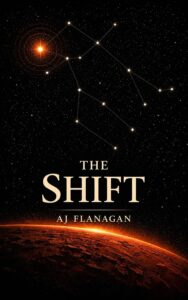
The Shift (The Pollux Series, Book 1)

By A.J. Flanagan

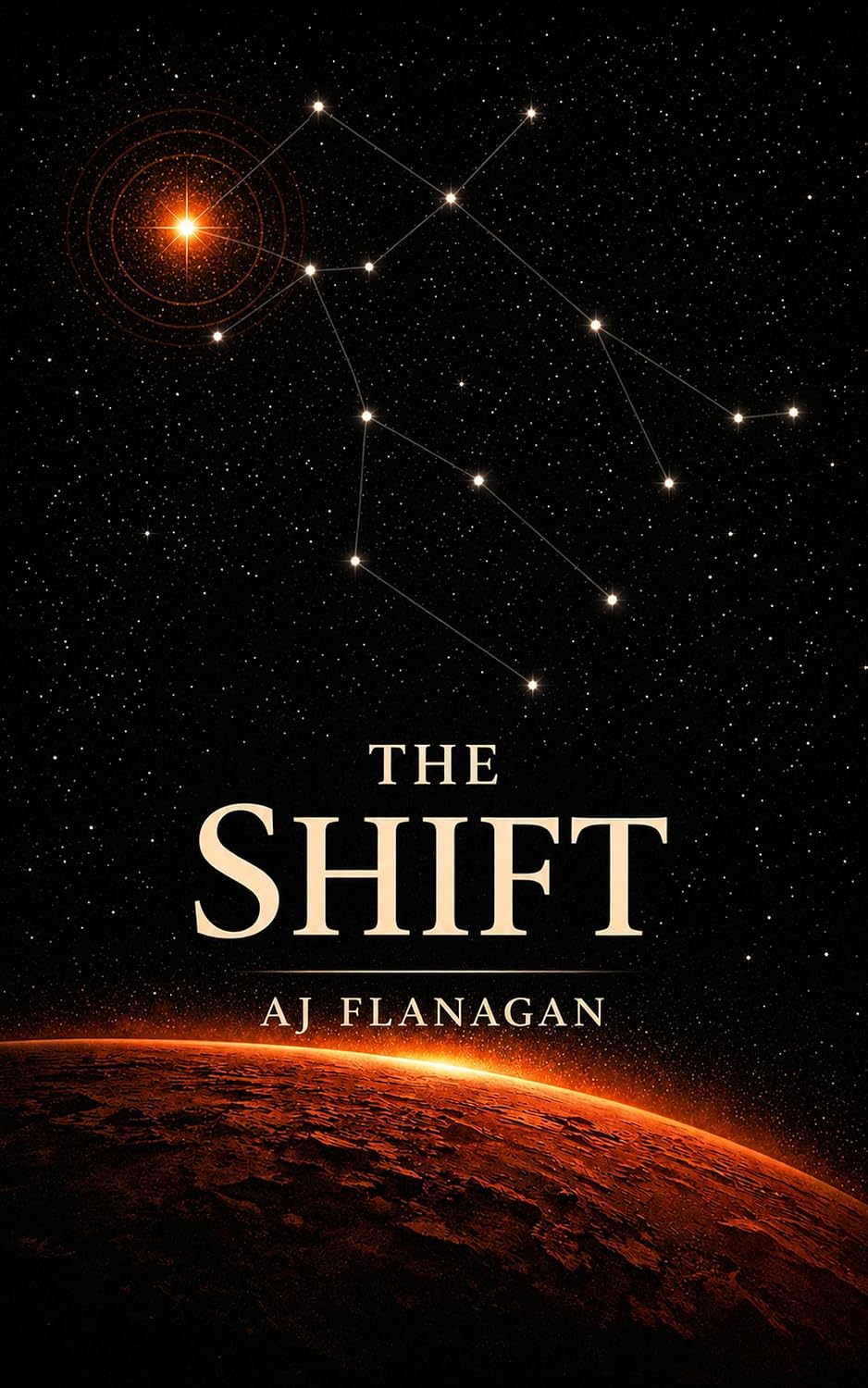
An alien probe 33.7 light-years from Earth detects a man-made nuclear explosion on our little planet, digs into its signal processing chops, and decides that we meet the criteria for extinction. But, against its programming’s better judgment, it offers an out: evacuate the premises by a given due date. The cryptic message arrives in 2012, and the eviction notice is marked for 2046. So humanity—or the very small group of people read in on the impending ELE—rolls up their sleeves and starts fast-tracking a Mars colony for 17,000 people, which is all they figure can be moved, housed, and provided for in the time they have. The prime mover is SpaceOrg, a SpaceX-type megacorp, and it goes about hoovering up experts and running full tilt.

The head of SpaceOrg knows just the guy to be the project lead: Rainer Vestry, a can-do fix-it guy he plucks from Antarctica to work on the project via a traditional fast (space) plane, rushing him from the ice cap to Texas and dumping him right in the middle of the mess.

Along the way, the impending ELE is hidden from humanity, and anyone likely to figure things out winds up disappearing as well. Are they dead, alive and co-opted, or just in a dark hole somewhere? Though the world’s governments have agreed to work together, you can guess how well that works out, providing for lots of interesting side plots along with a very credible Kim Stanley Robinson / Andy Weir-style Mars colonization effort.

Extinction Level Event (ELE) Exodus stories have a rich history in science fiction, going back at least as far as Philip Wylie and Edwin Balmer’s When Worlds Collide (1933) to Neal Stephenson’s Seveneves (2015). The Shift, A.J. Flanagan’s debut effort, echoes both of those, as well as Kim Stanley Robinson’s Mars Trilogy and Andy Weir’s Project Hail Mary. The alien probe, whether it knows it or not, owes its origins to Robert Wise’s classic, The Day the Earth Stood Still (1951), and it does it proud.

Flanagan’s debut gets richer and deeper as it goes along, and his take on global politics is just as keen as his knowledge of orbital dynamics. The Shift is a heavy, hard sci-fi tour de force, and it’s just the beginning of what looks like a trilogy to me. If you like big idea hard SF, jump in.

 

Cygnus (Frontlines: Evolution, Book 3)

By Marko Kloos

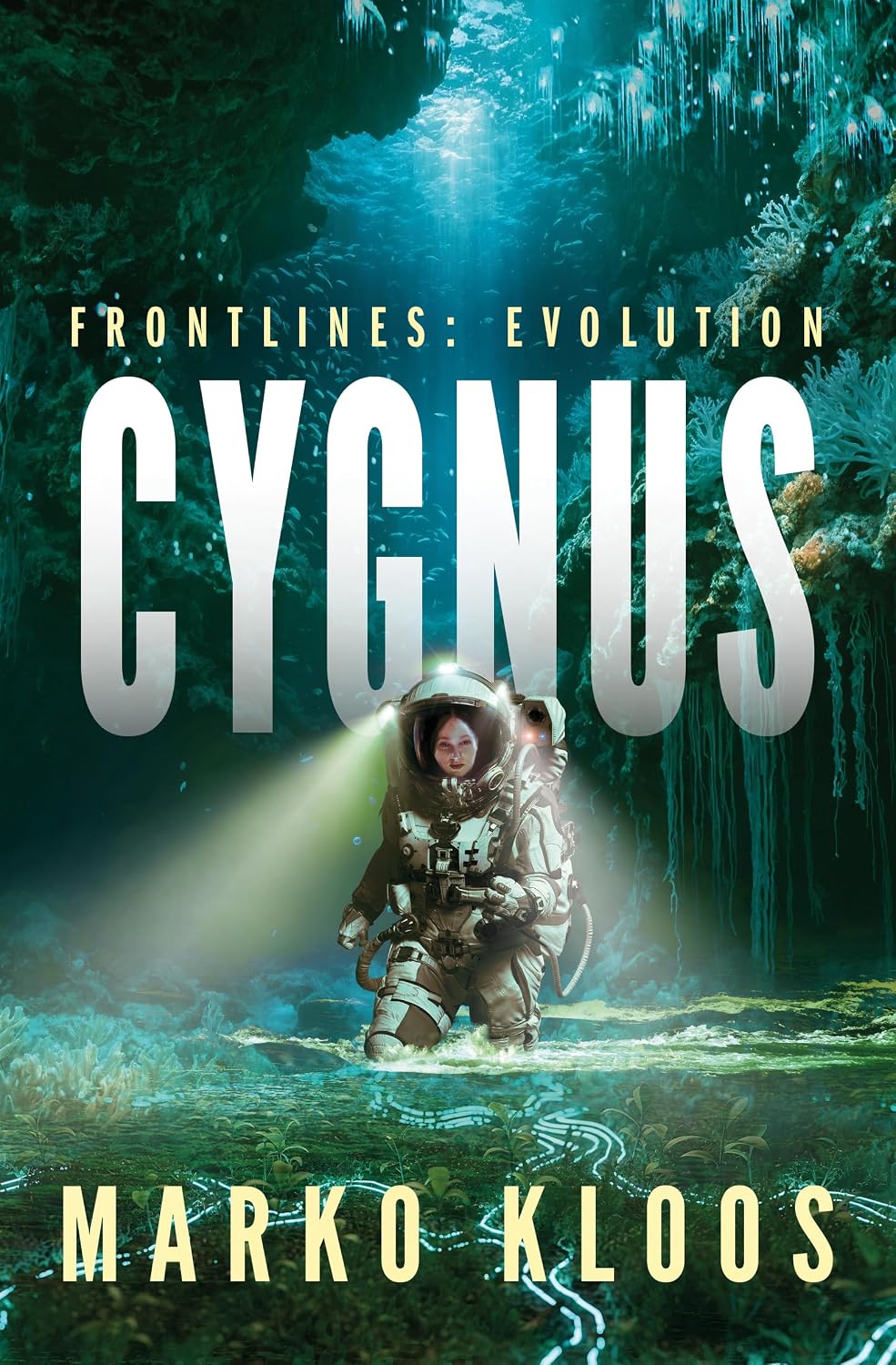
I rarely review series installments unless they’re the first or last, but Cygnus is billed as the conclusion to Marko Kloos’s Frontlines: Evolution series, so…sure. I’ve been a Kloos fan since his debut, Terms of Enlistment. While the original series followed Andrew Grayson (who makes a welcome mentoring cameo here as a Lt. Col.), Evolution centers on Corporal Alex Archer.

A survivor of a Fallout-style vault, Alex is now in an elite Spec Ops unit. The plot largely consists of her team sneaking into subterranean Lanky burrows to nuke their “seed ships,” culminating in a dangerous mission to rescue another trapped squad. Fortunately, she is teamed with Apollo, a heavily armored K9 who actually provides the bulk of the story’s human interest. You can shoot up soldiers all day long, but a dog in danger? You’ve got me on tenterhooks.

It’s a decent read, but climbing into tunnels to fight these Big Dumb Aliens has gotten repetitive. More importantly, despite the publisher’s claims, Cygnus never offers a resolution, either to the war with the aliens or Alex’s character, who is simply positioned for more adventures. Ironically, the blasts from the nukes Alex’s team keeps planting are pretty much contained underground, hiding the drama of thermonuclear destruction. It’s the same with the book itself. While a solid military SF procedural, the “explosive conclusion” promised on the cover comes off as more of a muffled thump.
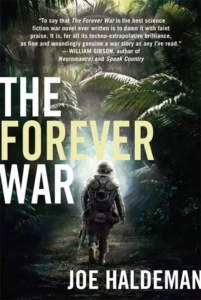
Looking Backwards: The Forever War

By Joe Haldeman

  • Publisher: St. Martin’s Press (Original)
  • Release Date: December 1974 (Original)
  • Format: Hardcover / Paperback / eBook / Audiobook
  • ISBN: 978-0312536633
  • Awards: Nebula, Hugo, Locus Awards 
  • Goodreads: The Forever War By Joe Haldeman

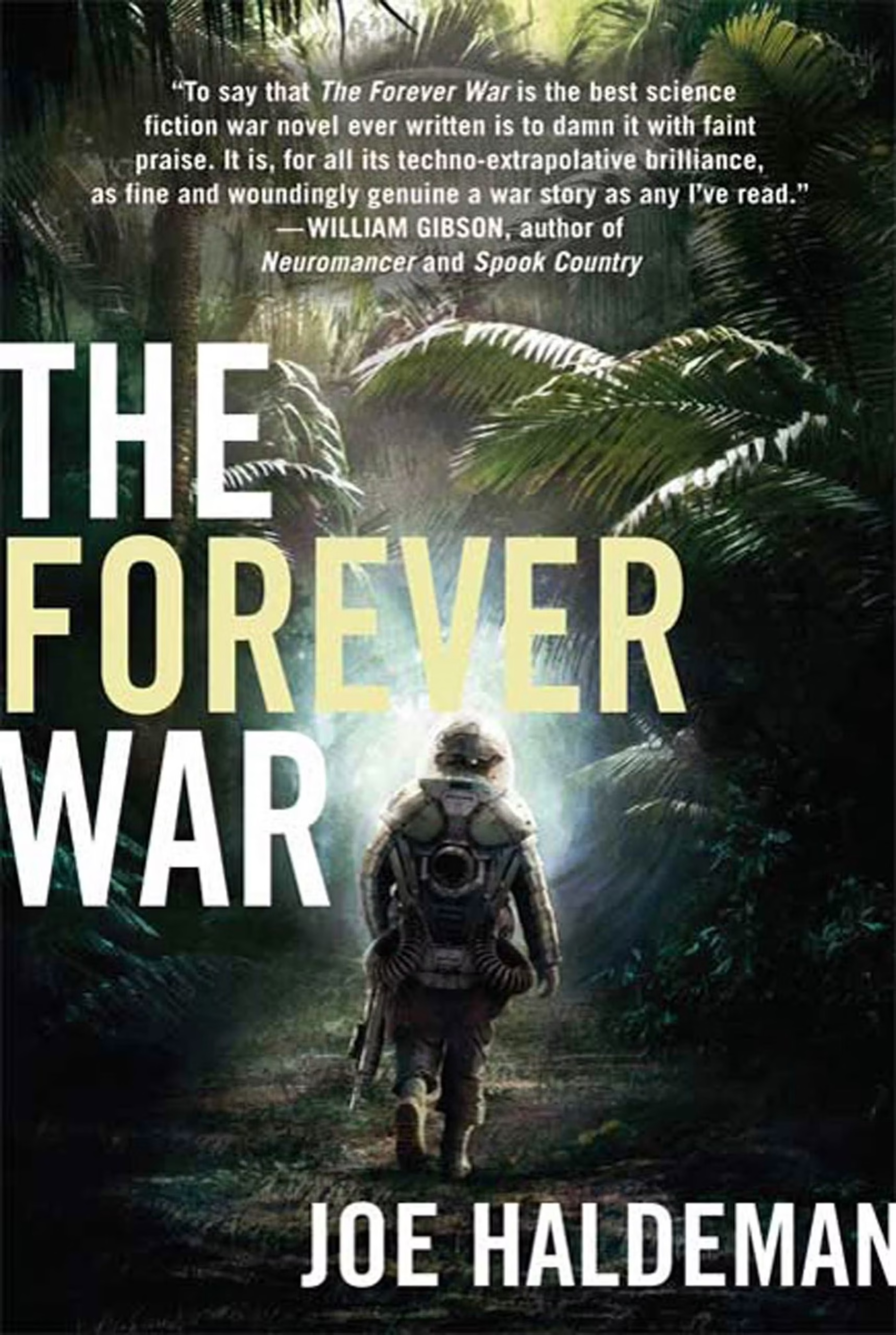
I thought it would be fun to look back in time and see what important books had been written in previous Decembers, and though the month is often shunned by publishers, two of the most important pieces of Mil-SF, both Hugo winners, were published in the dark of winter: Heinlein’s Starship Troopers (1959) and Joe Haldeman’s The Forever War (1974). Both books were published just after a major conflict, and both written by writers that had served in the wartime military. Though The Forever War can stand on its own, and I contend that it still reads like a contemporary novel, it’s also clearly in conversation with Heinlein’s book, which lauded a military ethos. Little surprise that it remained on the Marine Corps Reading list for 31 years (1989-2020).

While Heinlein served in WWII as a naval officer, Haldeman was a combat engineer in Vietnam, a war fought with questionable moral authority by troops with little support back home. In John Prine’s song, “Hello in There,” his comment, “We lost Davy in the Korean War, still don’t know what for,” shows that the cracks in the pro-war public were there before the conflict. In fact, those cracks were the impetus for Heinlein’s war novel, despite its WWII aesthetic, with space paratroopers and starship battleships.

Haldeman brought the grim reality of smart soldiers trapped in a stupid war home because he’d been there and knew that you don’t win wars, you just endure them.

As hard science fiction, The Forever War has some solid themes going, dealing with the time dilation you get fighting an interstellar war without a magical FTL drive. His characters wind up stranded through time, coming back from deployments completely out of sync with the world they return to, the Vietnam soldier’s plight writ large. His idea of a relativistic shuttle at the end so that veterans can hope to see comrades return across the upcoming centuries is a brilliant and poignant touch.

As I said before, I think The Forever War could stand on its own if it was published today. It faced gender issues head-on, pulled no punches about the glory of war, and Haldeman’s characters and writing are top-notch.
 

Science Fiction To Look For – November 2026

As the days draw short and the darkness closes in, November’s science fiction collection has plenty of existential dread to match the season. Both veteran Scalzi and newcomer Cole bring us tales of small towns facing classic sf horrors, where the ordinary meets the impossible, while Adam Oyebanji (Braking Day) gives us a hard-edged tale about another sort of community in his new generation ship novel, Line of Descent. Plus we’ve got some heads ups on more Science Fiction to Look for this month…

Monsters of Ohio 

By John Scalzi

  • Publisher: Tor Books / Macmillan
  • Release Date: November 3, 2026
  • Format: Hardcover / eBook / Audiobook (272 pages)
  • ISBN: 978-0765389039 / 978-0765389046

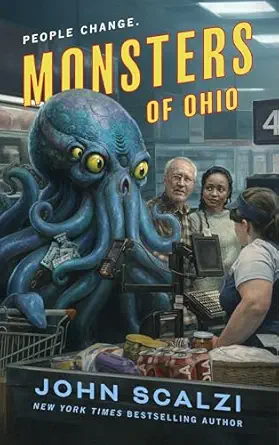
I often say science fiction isn’t about the future; it’s about the present using tomorrow as a metaphor. John Scalzi’s twentieth novel, Monsters of Ohio, abandons all pretense and takes on today with the gloves off.

Booted from his Alexandria, VA job at the Dept. of Agriculture by the “current administration”, Mike Boyd heads home broke to Richland, Ohio—where his dad and stepmother wait to remind him why he left. What follows is a Hallmark Horror/Comedy proving you may be able to go home again, but nothing will ever be the same. Mike gets roped into an investigation run by his high school buddy Dave—not just the police chief, but the town’s entire department—alongside Andi, a consultant hired for Richland’s upcoming monster festival. It begins with missing pets and an exploding cow, but the weirdness escalates quickly, and the trio soon finds themselves up to their elbows in stranger things than they could imagine.

Mike’s economic woes mirror Richland’s: the generational meat-packing plant anchoring the town is being stripped and gutted by private-equity mercenaries. Scalzi digs gleefully into corporate predation, and by the end, it’s crystal clear who the real monsters are.

Interestingly, Monsters of Ohio and our next title, Kennedy Cole’s There Used to Be People Here, both drop external forces into struggling towns to transform the locals into something uncanny. Each answers whether that transformation is salvation or catastrophe differently, but both make for a wild, head-twisting ride.

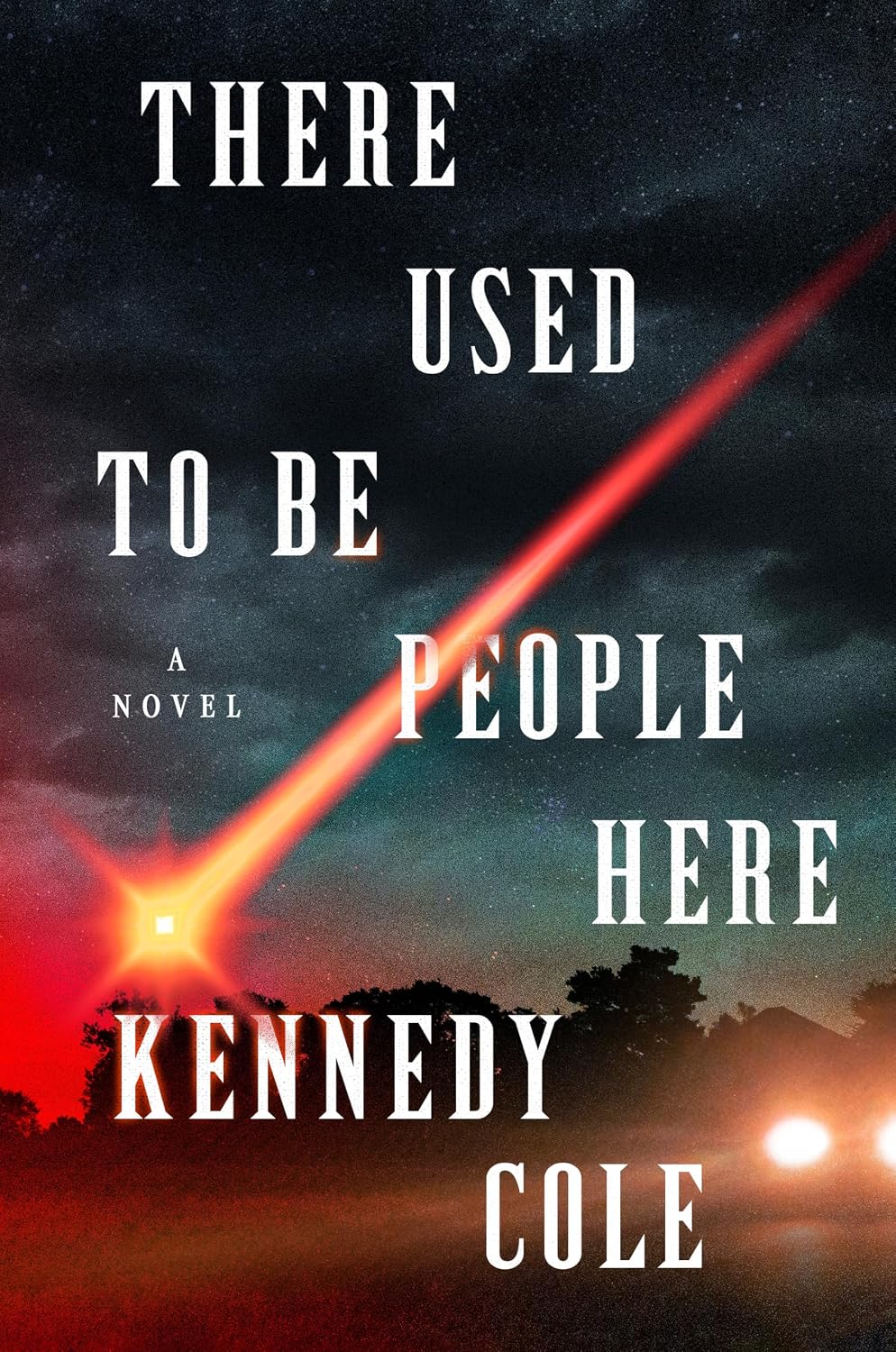
There Used to Be People Here 

By Kennedy Cole

  • Publisher: Berkley / Penguin Random House
  • Release Date: November 3, 2026
  • Format: Hardcover / eBook (368 pages)
  • ISBN: 979-8217187119 / 979-8217187133

Kennedy Cole’s debut novel has a lot going on. It’s full-on rural southern noir, a police procedural with multiple murders, men in black, and lots of racial tensions, especially for the protagonist, Samuel Barkley, Wenton, Mississippi’s only black detective in the 1970s. Not to mention the Invasion of the Body Snatchers drama that fuels the story. Yeah, that’s a mouthful, but it’s delivered with terrific writing and a personal knowledge of the terrnoir.

Samuel and his white partner Harvey, temporary because his partners never last, aren’t the most senior detectives on the small town’s force, and there aren’t a lot of murders in Wenton to investigate—well, not white murders, because the others really don’t count. Literally, as in they don’t keep a tally. So it’s something of a surprise when they’re assigned to the bizarre death of Bill Bethany in a “boy bar,” the last place he’d ever be caught dead in. Except, of course.

What follows is a deep dive into all the elements promised at the outset. Barkley’s buried rage has forced him to turn stone-faced to the racist world around him and made him an alien in two cultures. His temporary partner, Harvey, slowly peels back the hard layers to find the man inside, as the two dig into the horror about to consume Wenton.

You see, there was a plane crash nearby…but dear reader, you know that wasn’t really a plane, and all those guys in suits showing up at the site know it too. The real question isn’t whether the detectives can solve the murder, but whether Wenton can survive the answer. On the other hand, Wenton could really use some urban renewal, being a hive of the worst of us. Just when you think you know what’s going on, Kennedy Cole pulls the rug out from under you. Have a nice trip. Highly recommended.

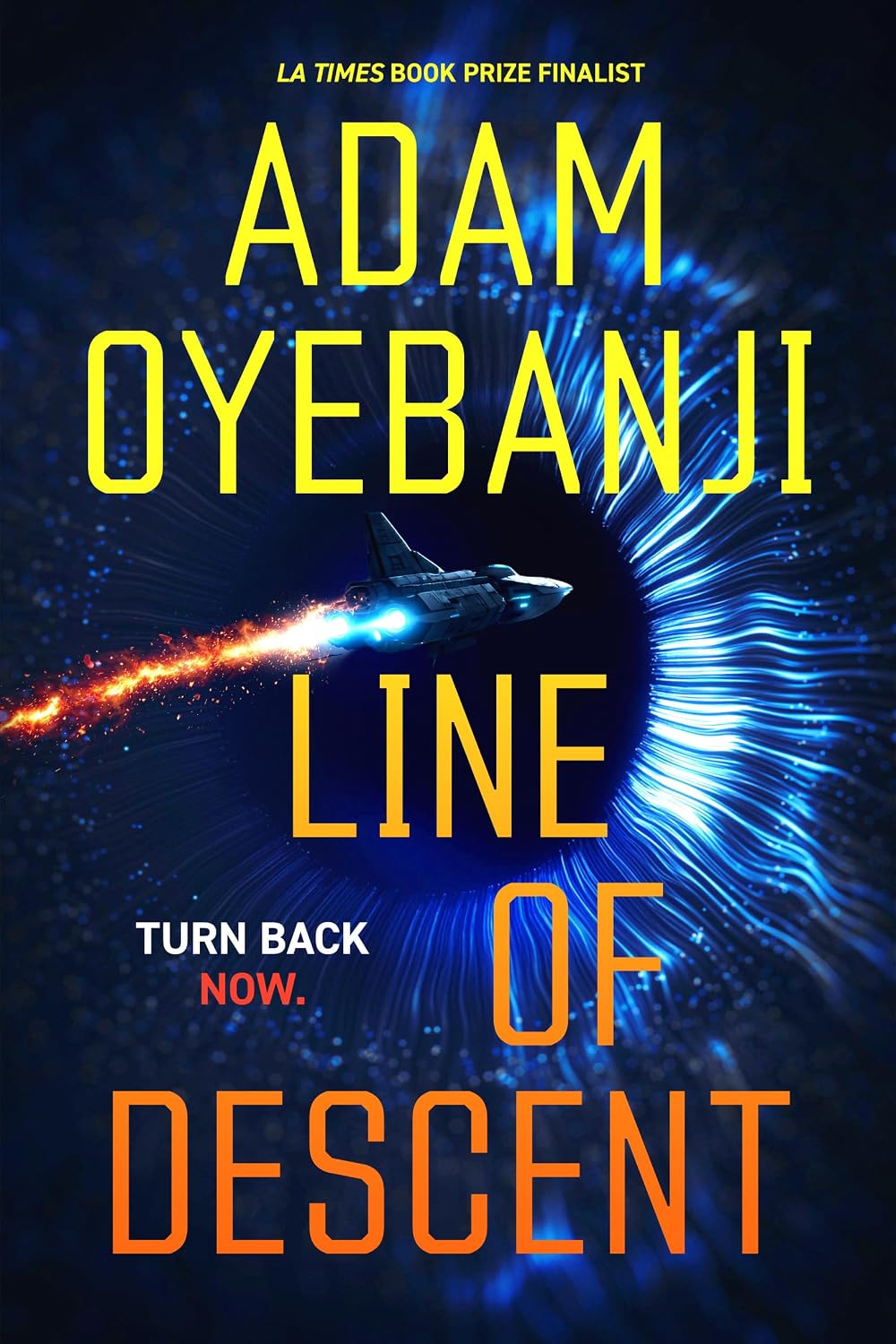
Line of Descent

By Adam Oyebanji

  • Publisher: DAW Books / Astra Publishing House
  • Release Date: November 17, 2026
  • Format: Hardcover / eBook / Audiobook (368 pages)
  • ISBN: 978-0756420222

Adam Oyebanji returns us to generation ship drama following his excellent debut novel, Braking Day (DAW, 2022), with its blend of hard sf and complex social issues. Oyebanji’s new book Line of Descent brings all that, plus his talent as a mystery writer (A Quiet Teacher / Severn House), as ShipSec Officer Faisal Vasconcelos uncovers the conspiracy behind the kidnapping of a botanist who went missing and woke up back in his own quarters, banged up and bruised. At first, Faisal thinks this is the stupidest story ever invented to cover a missed work shift, but the more he looks into it, the deeper and deadlier the mystery gets.

Six generations into a voyage, the officers and crew of the generation ship Archimedes show wear, tear, and social unrest. They’re not the bold pioneers who set out to colonize a faraway planet; they’re the people born mid-flight, without a vote on whether they wanted to be starfarers. A lot of them would rather not. Of course, you can’t just turn a slower-than-light ship around and head back to the homeworld… or can you? A nasty rumor is going around that there’s more fuel than the captain lets on, and drive upgrades that would take them back faster than they came out.

Topping that off, it’s time to elect a new captain, and the odds-on favorite is a eugenics-happy physician who wants to restrict the “line of descent” to those worth breeding—all in the name of resource conservation, of course, with absolutely nothing classist going on.

What’s terrific about this book is how Oyebanji weaves thoughtful detail about the technology and social structures in a gen-ship arcology, using a police procedural approach to dig into the details. Faisal is a classically dogged investigator, determined to serve and protect the ship and mission no matter how high the answers take him, even if his real passion is painting murals on the ship walls.

This is a refreshing breath of fresh air—actual hard science fiction, grounded in real physics rather than the made-up science of our first two titles—great stories in their own right, but full of hand-waving on the science. In its own way, Line of Descent is just as much of a small-town drama; a generation ship is a closed community if ever there was one. Hard-edged, compelling, and told with an acute understanding of closed-colony social dynamics, this is the kind of story that gives me hope that science fiction hasn’t lost its way, even among the stars.

Additional Titles to Look For in November 2026

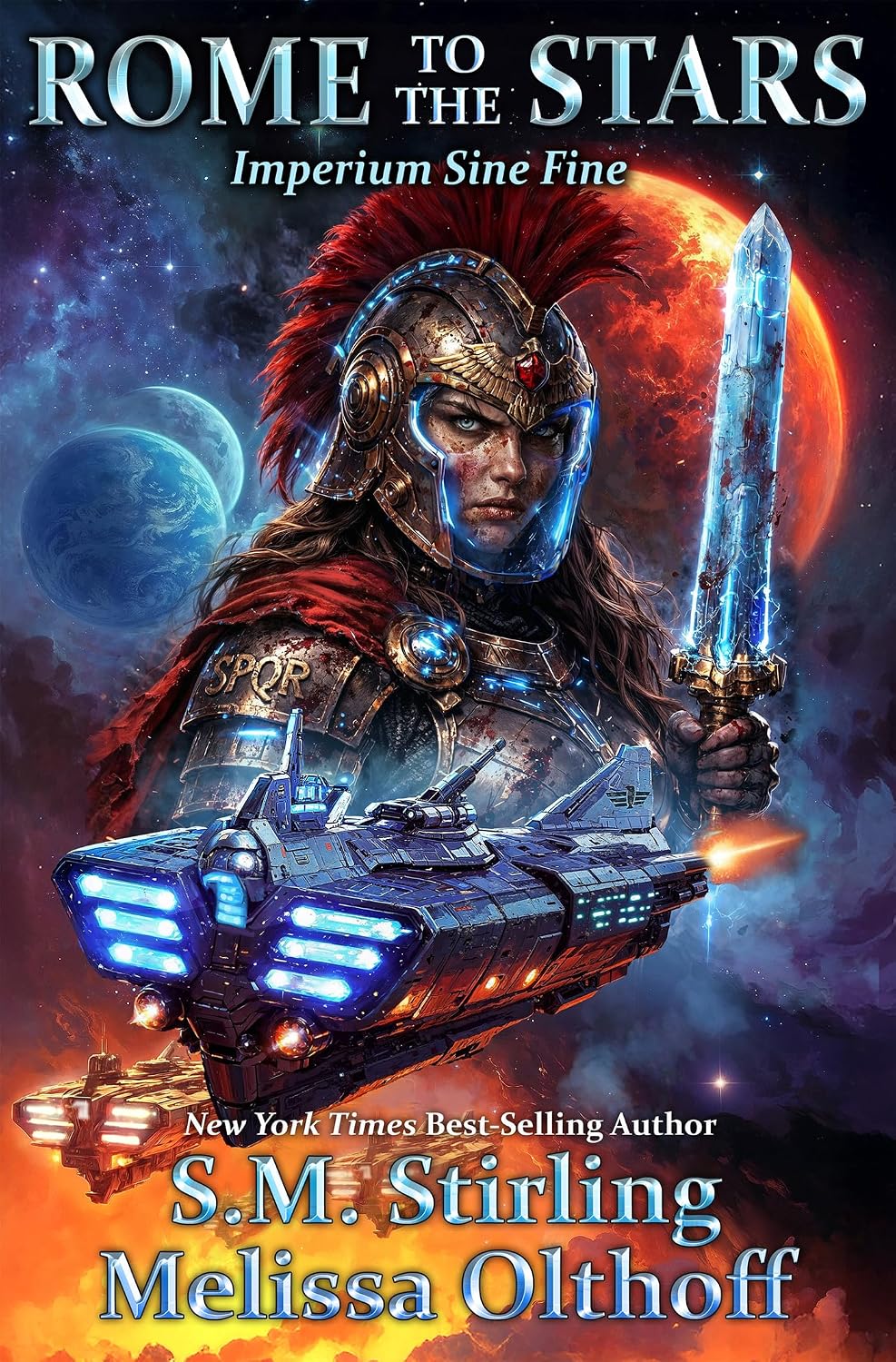
Rome to the Stars

By S.M. Stirling & Melissa Olthoff

  • Publisher: Baen Books
  • Release Date: November 3, 2026
  • Format: Hardcover / eBook (416 pages)
  • ISBN: 978-1982193744
  • Notes: Alternate history space expansion. When the Roman Empire industrializes early, the eagles push out into the solar system, bringing legions, steam, and political intrigue to the high frontier.

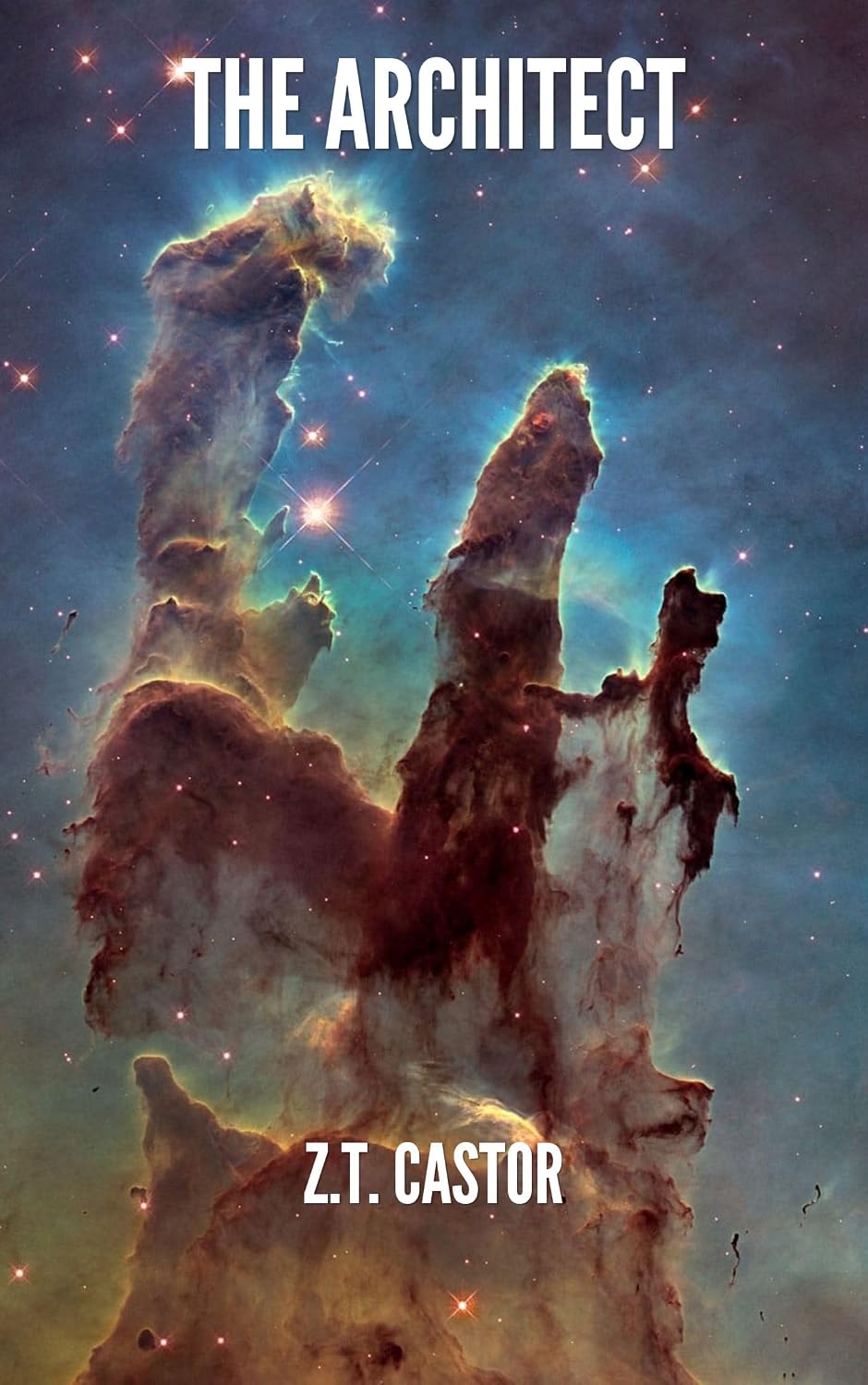
The Architect

By Z.T. Castor

  • Publisher: Independent / Amazon
  • Release Date: November 2026
  • Format: Paperback / eBook
  • Notes: High-concept planetary megastructures and rogue computational models, providing a strong indie hard-SF counterpart to the month’s major house releases.


About the column:

It’s been a minute since I posted Science Fiction to Look For. Doing the column was a marathon event each month, and I simply got burned out. But I missed it, so I revamped my workflow to make it more manageable, promised myself I’d limit the number of entries each month, and decided to dive back in. Happy reading.

Suffering Solfège (Do, Re, Me, Reconsidered in Song)

The musical notation we all know from the Sound of Music, Do, Re, Me, Fa, So, La, Te, Do, is called  Solfège and comes from a system created by a Benedictine Monk in the eleven hundreds in Italy. The names come from “the first syllable of each line in the Latin hymn “Ut queant laxis”, the “Hymn to St. John the Baptist”, but they don’t actually mean anything by themselves.

They also don’t sound like the notes we use in English. So, here’s a song I wrote to help with that. Thanks to Julie Andrews, You already know the tune. Here’s a question; if Ms. Andrews had sung it in Mary Poppins, would she have used Latin syllables?

Suffering Solfège

Do Re Me is how you learn the notes
in many foreign lands,
But for me and many folks
it’s somewhat hard to understand.
So I made up this little tune
For those who wish upon the moon,
for some way to learn their notes,
that just makes sense to us.

C, a thing we sail upon
D, it’s really not a word
E, is also not a word
F, at least Fa it starts with F
G, how easy can this be?
A, the grade you’d like to get
B, the question Hamlet asks
and that brings us back to C

(Now that wasn’t hard, was it? Here’s the second verse)

Do is C like that makes sense
Re somehow comes out as D
Me, works if your name is “E”
Fa at least it starts with F
So and now we get to G
La at least it ends in A
Te at least it rhymes with B
…and with Do we’re back to C

(I suppose I should bring it home with another verse, but I’m done for now.)


Here’s the Wiki Citation: Solfège. (2023, November 16). In Wikipedia. https://en.wikipedia.org/wiki/Solf%C3%A8ge


Only Murders in the Dales

Grimm Up North: A Yorkshire Murder Mystery (DCI Harry Grimm Crime Thrillers Book 1) by [David J. Gatward]I happen to be going to the Yorkshire Dales in September, and I came across this series on Kindle Unlimited while browsing for a UK Police Procedural to read. That it takes place in places I’m going to visit is, well, a little creepy, but as a fan of UK Police dramas, it’s quite good.

If you’ve ever had the eerie feeling watching All Creatures Great and Small that any minute a quirky DCI would show up to solve a grim murder, this will put your mind at ease. DCI Harry Grimm is the classic tough city cop sent to the country to chill, but trouble doesn’t have to follow him, it’s already there waiting.

At first, his secondment to the bucolic countryside populated by farmers and tourists seems like the perfect place to go stir crazy, but then a teen goes missing, and soon enough there’s a body by a lake and despite his new Superindendent’s admonishments to not disrupt the idyl of the dales, as if his IED scarred face wasn’t enough to do the job proper like, Harry just has to roll up his sleeves and do the job.

As the first book, it naturally introduces the recurring cast, all of whom turn out to be pretty credible cops, considering Harry’s expectations, and you have to wonder if the BBC might want to give this a look. After all, they’ve already got the sets built…

Very nicely done.